Arindam Bar
M. Tech.Assistant Professor
View Profile

 NAAC B++
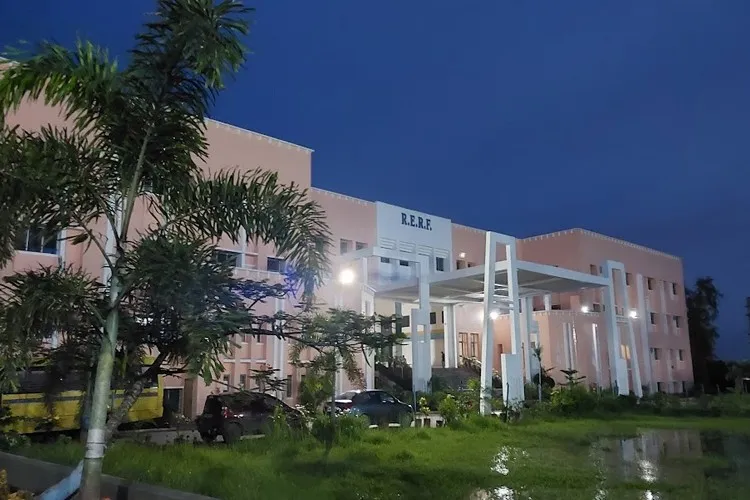
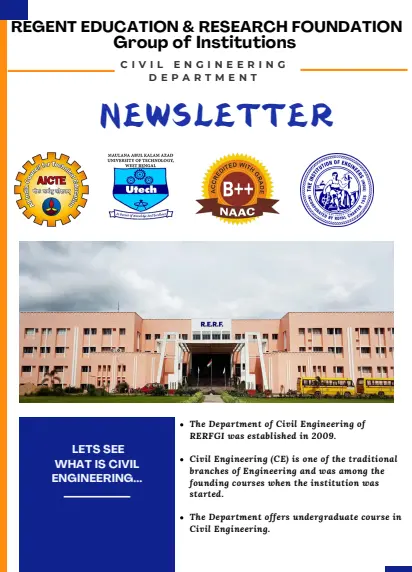
The Department of Civil Engineering at Regent Education & Research Foundation (RERF) is committed to providing high-quality education and practical training in construction, infrastructure development, and urban planning. The department emphasizes hands-on learning, modern engineering practices, and sustainable development to prepare students for successful careers in civil engineering and allied industries.
To develop skilled civil engineering professionals with practical knowledge, innovative thinking, and ethical values, capable of contributing to infrastructure development and sustainable engineering solutions.
Graduates from the Civil Engineering department can pursue careers in construction, infrastructure, urban planning, and government/public works. Popular roles include:
The Department of Civil Engineering at RERF aims to nurture competent, innovative, and industry-ready professionals capable of contributing to the development of modern infrastructure and sustainable engineering solutions.

It gives me great pleasure to welcome you to the Department of Civil Engineering. Civil Engineering is not only one of the oldest branches of engineering but also the backbone of societal growth and development. From building resilient infrastructure to creating sustainable cities, civil engineers play a pivotal role in shaping the future.
At our department, we are committed to providing quality education, innovative research opportunities, and practical exposure that prepare students to become competent professionals and responsible citizens. Our curriculum is designed to blend strong theoretical foundations with hands-on learning, ensuring that graduates are industry-ready and equipped to face global challenges.
We take pride in our dedicated faculty, modern laboratories, ICT based classroom and strong industry linkages that create an environment of continuous learning and innovation. Alongside technical excellence, we encourage our students to develop leadership qualities, ethical values, and a spirit of service to society.
I warmly invite aspiring engineers to join our department and be part of a journey that not only builds careers but also contributes to the progress of the nation and the world.
To impart quality technical education in Civil Engineering by keeping pace with emerging technologies and developing competent, innovative, and socially responsible civil engineers who contribute to sustainable infrastructure development and national progress.
M1: To provide quality education in Civil Engineering through effective teaching, practical training, and continuous improvement of academic standards.
M2: To develop students' technical knowledge and practical skills in structural engineering, geotechnical engineering, transportation, environmental engineering, and construction management.
M3: To promote research, innovation, critical thinking, and the application of modern technologies to solve real-world engineering problems.
M4: To encourage sustainable construction practices, environmental protection, and the efficient use of natural resources.
M5: To develop professional ethics, leadership qualities, teamwork, and social responsibility among students.
M6: To enhance employability through industry interaction, internships, fieldwork, and hands-on laboratory training.
M7: To prepare competent civil engineers who contribute to infrastructure development and the welfare of society.
M8: To impart advanced technical knowledge and professional competencies in civil engineering through outcome-based education and experiential learning.
M9: To develop the ability to plan, analyze, design, construct, and maintain safe, durable, and economical civil engineering infrastructure.
M10: To promote research, innovation, and lifelong learning by encouraging students and faculty members to explore emerging technologies and
The following proposed core values align with the institution's emphasis on quality education, technological advancement, professional competence, research, and social responsibility.
1. Technical Excellence: Strive for excellence in civil engineering education, design, construction, and infrastructure development.
2. Professional Ethics and Integrity: Uphold honesty, transparency, accountability, and ethical conduct in academic and professional activities.
3. Quality and Safety: Promote quality assurance, structural safety, reliability, and compliance with relevant engineering standards and codes.
4. Innovation and Creativity: Encourage innovative thinking, research, experimentation, and the adoption of emerging technologies in civil engineering.
5. Sustainability: Promote environmentally responsible construction, efficient resource utilization, and sustainable infrastructure development.
6. Social Responsibility: Develop engineers committed to public welfare, community development, and the improvement of quality of life.
7. Student-Centred Learning: Foster an inclusive learning environment that supports students' intellectual, technical, and personal development.
8. Practical Competence: Emphasize hands-on training, laboratory experiments, fieldwork, site visits, and real-world engineering applications.
9. Teamwork and Leadership: Encourage collaboration, effective communication, leadership, and multidisciplinary problem-solving.
10. Lifelong Learning: Inspire continuous professional development, adaptability, and the pursuit of knowledge in emerging areas of civil engineering.
11. Environmental Stewardship: Encourage water conservation, waste management, pollution control, and the protection of natural resources.
12. Industry Collaboration: Strengthen partnerships with industry, professional bodies, research organizations, and government agencies.
13. Inclusivity and Mutual Respect: Respect diversity, promote equal opportunities, and maintain a supportive academic environment.
14. Research and Development: Foster a culture of inquiry, evidence-based decision-making, and applied research to address engineering challenges.
15. National Development: Prepare competent civil engineers who contribute to safe, resilient, and affordable infrastructure for national progress.
Assistant Professor
View Profile
Assistant Professor
View Profile
Assistant Professor
View Profile
Assistant Professor
View Profile
Assistant Professor
View Profile
Assistant Professor
View Profile
Assistant Professor
View Profile
Assistant Professor
View Profile
Assistant Professor
View Profile
Assistant Professor
View Profile
Assistant Professor
View Profile
Assistant Professor
View Profile
Lecturer
View Profile
Lecturer
View Profile
Technical Assistant
View Profile
Lab Attendant
View Profile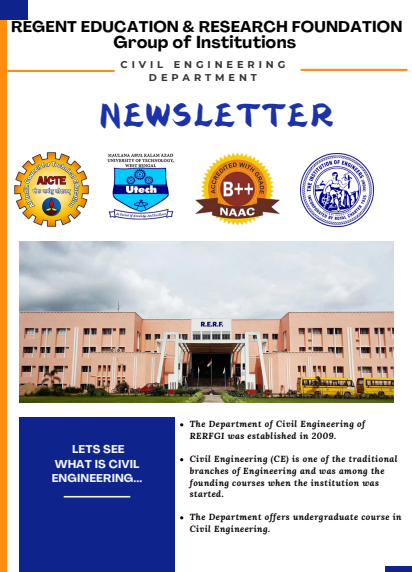
2026-2027 | Sep 2026
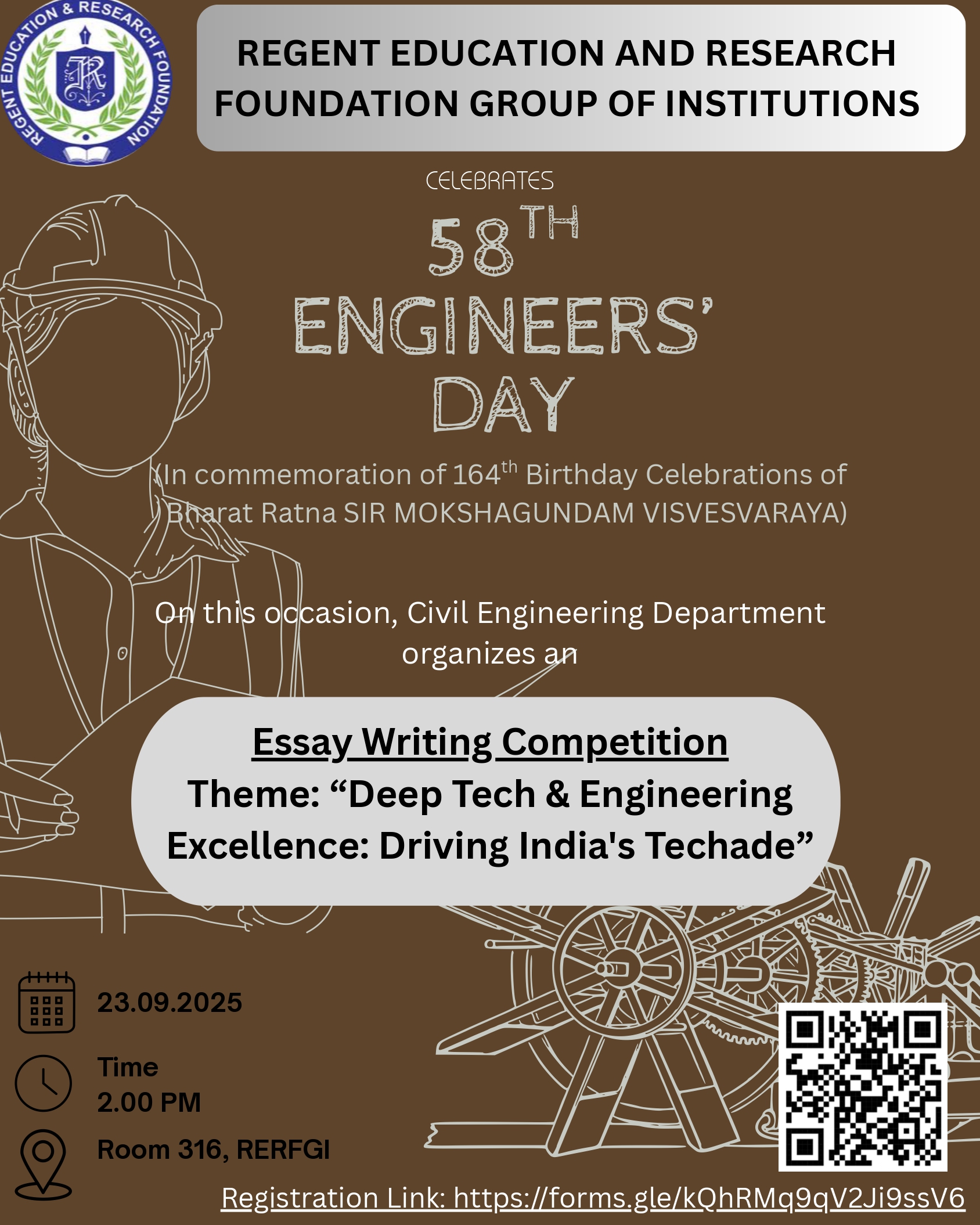
2025-2026 | Sep 2025
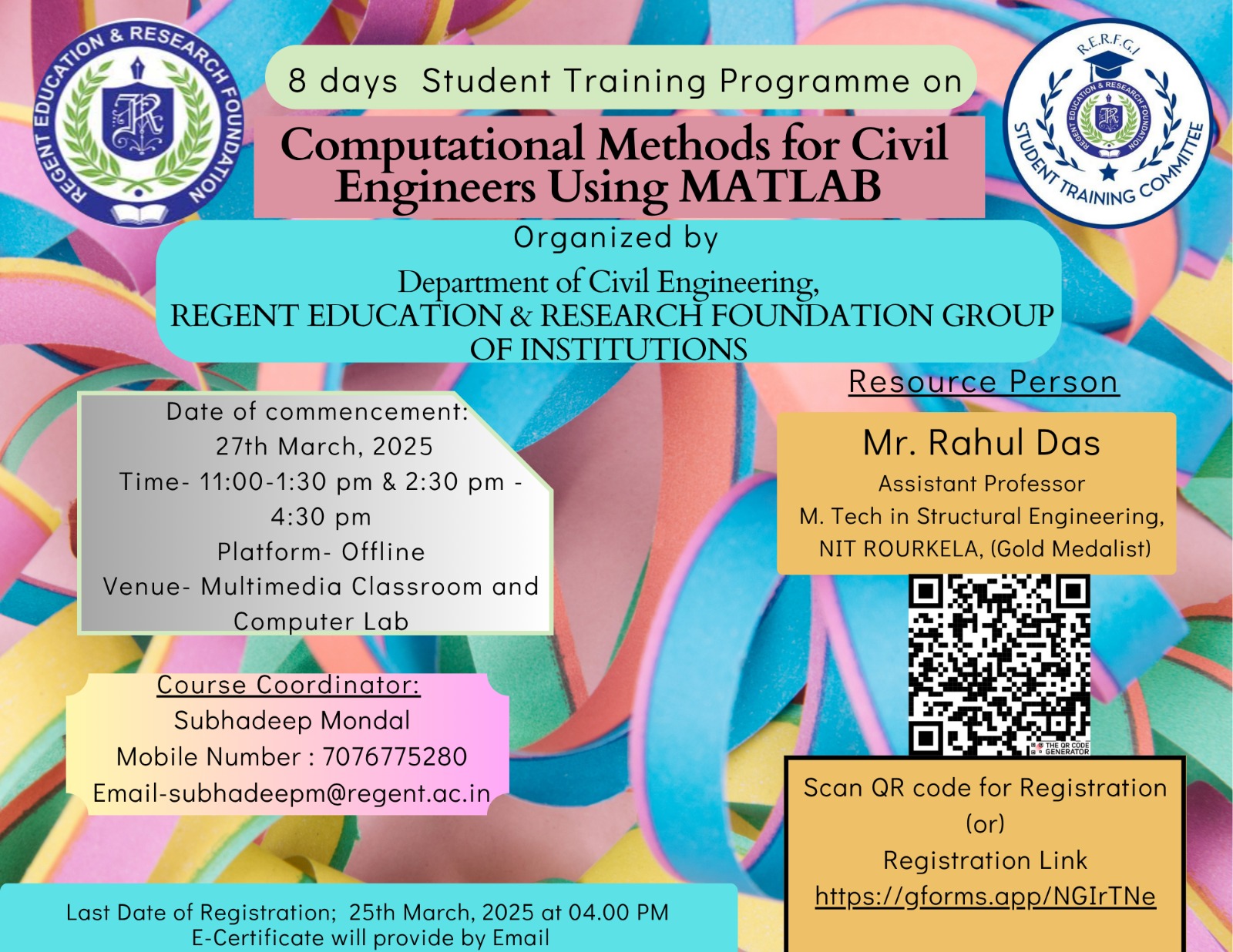
2024-2025 | May 2025
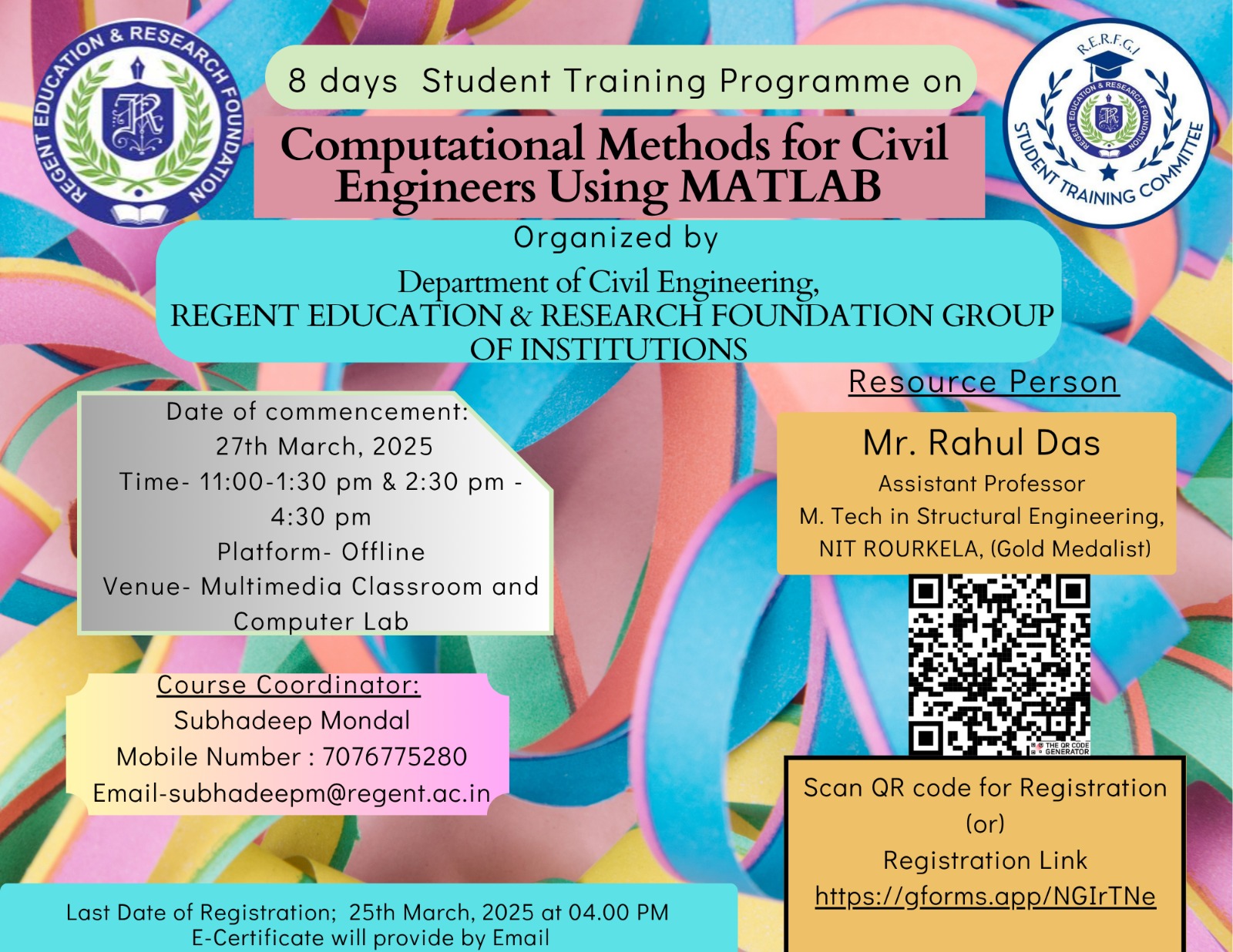
2024-2025 | Dec 2024